
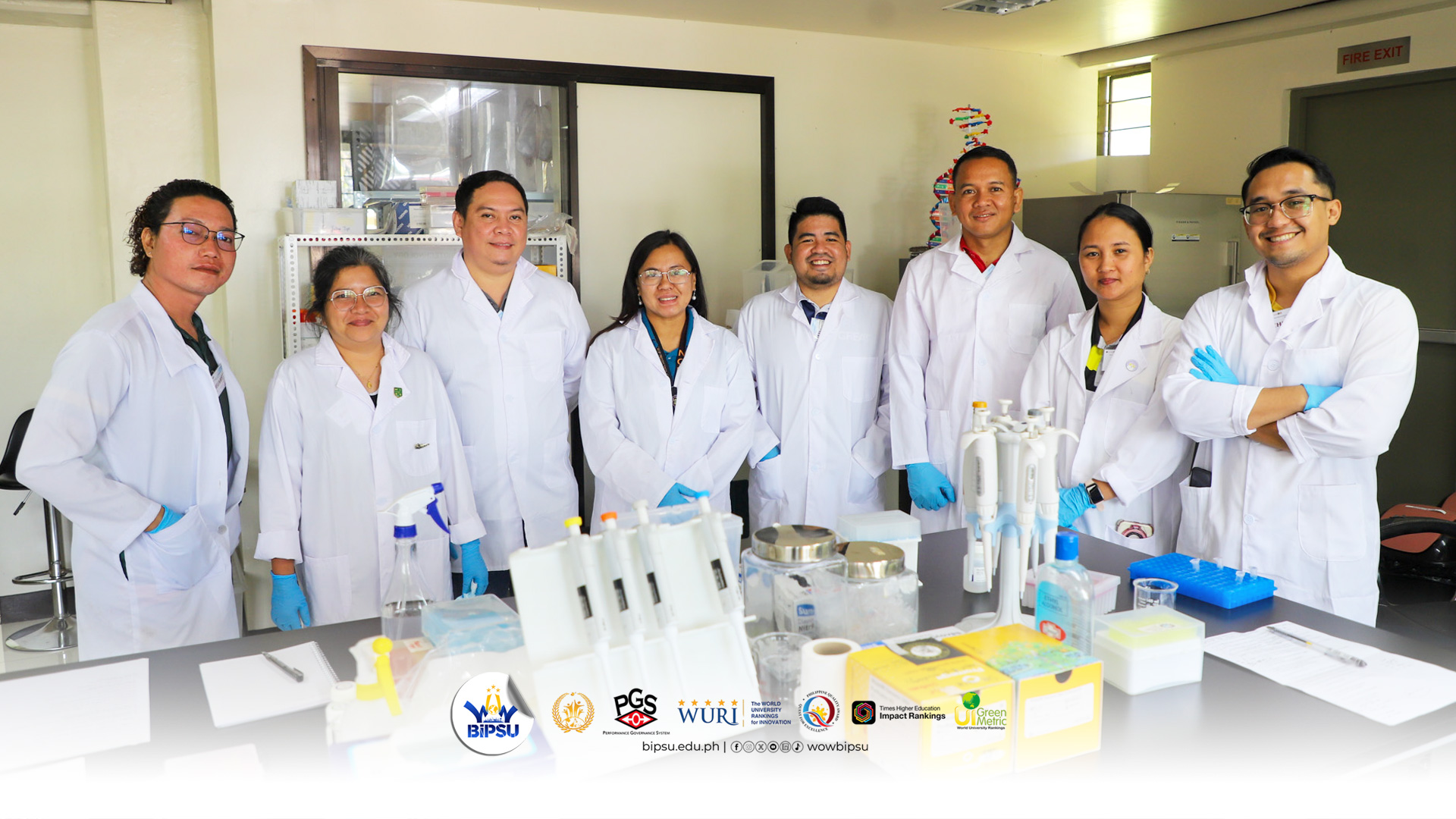
Faculty members from the Biliran Province State University–Biliran Campus (BiPSU-BC), alongside representatives from the Office of the Provincial Agriculturist of Biliran and the Regional Crop Protection Center (RCPC) VIII, successfully completed a specialized 5-day training program on Entomopathogenic Fungi (EPF) at the UPLB National Crop Protection Center (NCPC) from February 23 to 27, 2026.
This capacity-building initiative serves as a crucial weaving of worthiness into the regional agricultural landscape, forming an integral part of the project entitled “Upgrading of Biological Control Agents Laboratory in BiPSU–Biliran Campus for Sustainable Pest Management in Biliran Province.” The training focused on equipping participants with the necessary technical expertise to identify, mass-produce, and maintain EPF cultures effectively.
Reflecting on this milestone, BiPSU President Prof. Victor C. Cañezo, Jr., EdD, CHRP, emphasized that this collaboration is a testament to the university's commitment to innovation. By mastering these biological control technologies, the faculty and partners from BiPSU–Biliran Campus are not just learning laboratory techniques; they are actively developing sustainable solutions that will protect farmers' livelihoods and secure the agricultural future of Biliran.
Throughout the five-day session, the attendees engaged in comprehensive modules covering the fundamentals of entomopathogens, molecular and morpho-cultural identification, soil isolation techniques, and insect rearing. Expert facilitators—Sci. Montecalvo, Sci. Navasero, Sci/Dr. Caoili, and Dr. Guerrero—led the hands-on sessions. The group also toured the Regional Crop Protection Center CALABARZON in Lipa City, Batangas, to observe the production protocols for various biological control agents, including Metarhizium, Beauveria, Nucleopolyhedrovirus (NPV), Trichoderma, and Trichogramma.
Currently, the Agricultural Biological Laboratory at BiPSU–Biliran Campus is actively maintaining EPF isolates specifically targeting abaca aphids. These isolates are undergoing rigorous validation, with the long-term goal of developing sustainable biological control solutions for abaca and other economically significant crops across the province. This project is being pursued in close collaboration with the Biliran Provincial Agricultural Services Office and RCPC VIII.
The University expresses its sincere appreciation to the UPLB-NCPC Extension Services Division for facilitating this essential training, which marks a significant step forward in enhancing the local capacity for ecological pest management. #WoWBiPSU
𝘛𝘩𝘪𝘴 𝘢𝘳𝘵𝘪𝘤𝘭𝘦 𝘤𝘰𝘯𝘵𝘳𝘪𝘣𝘶𝘵𝘦𝘴 𝘵𝘰 𝘵𝘩𝘦 𝘊𝘏𝘌𝘋 𝘈.𝘊.𝘏.𝘐.𝘌.𝘝.𝘌. 𝘈𝘨𝘦𝘯𝘥𝘢 𝘣𝘺 𝘴𝘶𝘱𝘱𝘰𝘳𝘵𝘪𝘯𝘨 𝘵𝘩𝘦 𝘩𝘢𝘳𝘮𝘰𝘯𝘪𝘻𝘦𝘥 𝘳𝘦𝘴𝘦𝘢𝘳𝘤𝘩 𝘢𝘯𝘥 𝘪𝘯𝘯𝘰𝘷𝘢𝘵𝘪𝘰𝘯 𝘵𝘩𝘳𝘶𝘴𝘵. 𝘐𝘵 𝘢𝘭𝘴𝘰 𝘢𝘭𝘪𝘨𝘯𝘴 𝘸𝘪𝘵𝘩 𝘵𝘩𝘦 𝘜𝘯𝘪𝘵𝘦𝘥 𝘕𝘢𝘵𝘪𝘰𝘯𝘴 𝘚𝘶𝘴𝘵𝘢𝘪𝘯𝘢𝘣𝘭𝘦 𝘋𝘦𝘷𝘦𝘭𝘰𝘱𝘮𝘦𝘯𝘵 𝘎𝘰𝘢𝘭 2, 𝘸𝘩𝘪𝘤𝘩 𝘢𝘪𝘮𝘴 𝘵𝘰 𝘦𝘯𝘥 𝘩𝘶𝘯𝘨𝘦𝘳, 𝘢𝘤𝘩𝘪𝘦𝘷𝘦 𝘧𝘰𝘰𝘥 𝘴𝘦𝘤𝘶𝘳𝘪𝘵𝘺, 𝘢𝘯𝘥 𝘱𝘳𝘰𝘮𝘰𝘵𝘦 𝘴𝘶𝘴𝘵𝘢𝘪𝘯𝘢𝘣𝘭𝘦 𝘢𝘨𝘳𝘪𝘤𝘶𝘭𝘵𝘶𝘳𝘦, 𝘢𝘯𝘥 𝘚𝘋𝘎 9, 𝘸𝘩𝘪𝘤𝘩 𝘧𝘰𝘤𝘶𝘴𝘦𝘴 𝘰𝘯 𝘣𝘶𝘪𝘭𝘥𝘪𝘯𝘨 𝘳𝘦𝘴𝘪𝘭𝘪𝘦𝘯𝘵 𝘪𝘯𝘧𝘳𝘢𝘴𝘵𝘳𝘶𝘤𝘵𝘶𝘳𝘦, 𝘱𝘳𝘰𝘮𝘰𝘵𝘪𝘯𝘨 𝘪𝘯𝘤𝘭𝘶𝘴𝘪𝘷𝘦 𝘢𝘯𝘥 𝘴𝘶𝘴𝘵𝘢𝘪𝘯𝘢𝘣𝘭𝘦 𝘪𝘯𝘥𝘶𝘴𝘵𝘳𝘪𝘢𝘭𝘪𝘻𝘢𝘵𝘪𝘰𝘯, 𝘢𝘯𝘥 𝘧𝘰𝘴𝘵𝘦𝘳𝘪𝘯𝘨 𝘪𝘯𝘯𝘰𝘷𝘢𝘵𝘪𝘰𝘯. 𝘍𝘶𝘳𝘵𝘩𝘦𝘳𝘮𝘰𝘳𝘦, 𝘵𝘩𝘪𝘴 𝘳𝘦𝘱𝘰𝘳𝘵 𝘧𝘰𝘭𝘭𝘰𝘸𝘴 𝘵𝘩𝘦 𝘖𝘊𝘊𝘔𝘈𝘖 𝘨𝘶𝘪𝘥𝘦𝘭𝘪𝘯𝘦𝘴 𝘧𝘰𝘳 𝘚𝘵𝘢𝘵𝘦 𝘜𝘯𝘪𝘷𝘦𝘳𝘴𝘪𝘵𝘪𝘦𝘴 𝘢𝘯𝘥 𝘊𝘰𝘭𝘭𝘦𝘨𝘦𝘴, 𝘱𝘳𝘰𝘮𝘰𝘵𝘪𝘯𝘨 𝘪𝘯𝘴𝘵𝘪𝘵𝘶𝘵𝘪𝘰𝘯𝘢𝘭 𝘪𝘯𝘪𝘵𝘪𝘢𝘵𝘪𝘷𝘦𝘴 𝘵𝘩𝘢𝘵 𝘦𝘯𝘩𝘢𝘯𝘤𝘦 𝘱𝘶𝘣𝘭𝘪𝘤 𝘢𝘸𝘢𝘳𝘦𝘯𝘦𝘴𝘴 𝘰𝘧 𝘤𝘰𝘭𝘭𝘦𝘤𝘵𝘪𝘷𝘦 𝘦𝘥𝘶𝘤𝘢𝘵𝘪𝘰𝘯𝘢𝘭 𝘨𝘰𝘢𝘭𝘴.
-
 0
0
-
 1
1
-
 0
0
-
 0
0
-
 0
0
-
 0
0